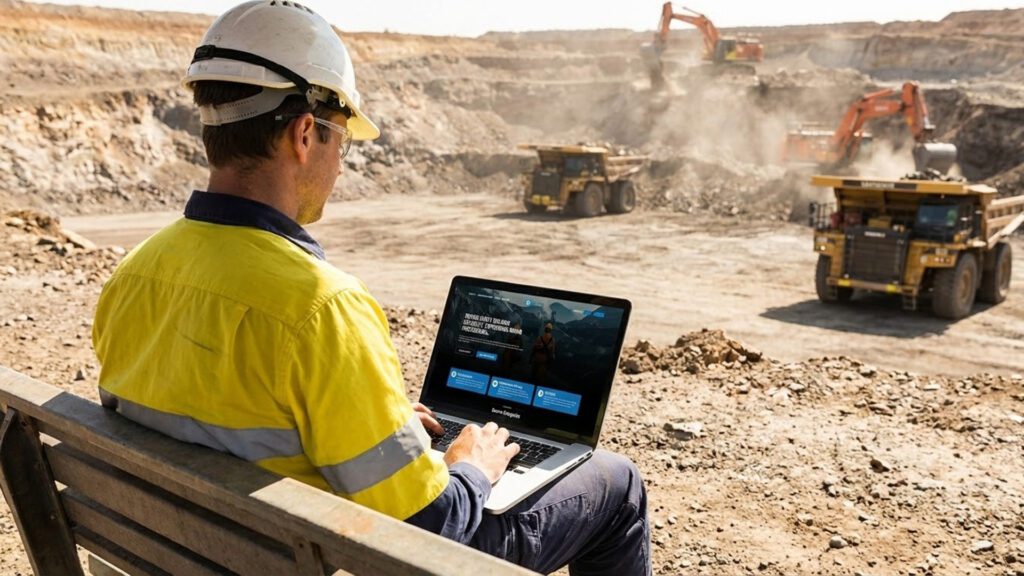
If you've spent years working in surface operations, open-cut coal mines, or mineral mines and quarries, you've likely built a substantial body of skills and knowledge, yet you may not hold the formal qualifications to show it. RPL mining pathways exist for exactly this situation.
Holding the competencies and qualifications for the work you perform has never been more important, because the industry is placing greater emphasis on documented, verifiable competency. If your role carries certain responsibilities, you need to be competent to carry out those tasks, and increasingly you need to be able to show it. Having the skills isn't enough on its own if there's no formal record to prove it.
Recognition of Prior Learning (RPL) is a formal assessment process within Australia's national Vocational Education and Training (VET) framework. It allows experienced workers to have their existing skills assessed against nationally recognised units of competency, without repeating training for skills they've already developed. Whatever your role on site (worker, supervisor, superintendent or manager), understanding how RPL works, and which qualifications it may apply to, can make a real difference to your career progression.
01
What is RPL in the Mining Industry?
RPL is not a shortcut or an exemption. It is a structured, evidence-based assessment process recognised across Australia's VET system, where a Registered Training Organisation (RTO) evaluates what you already know and can do against the requirements of specific units of competency.
How RPL Differs from Full Training
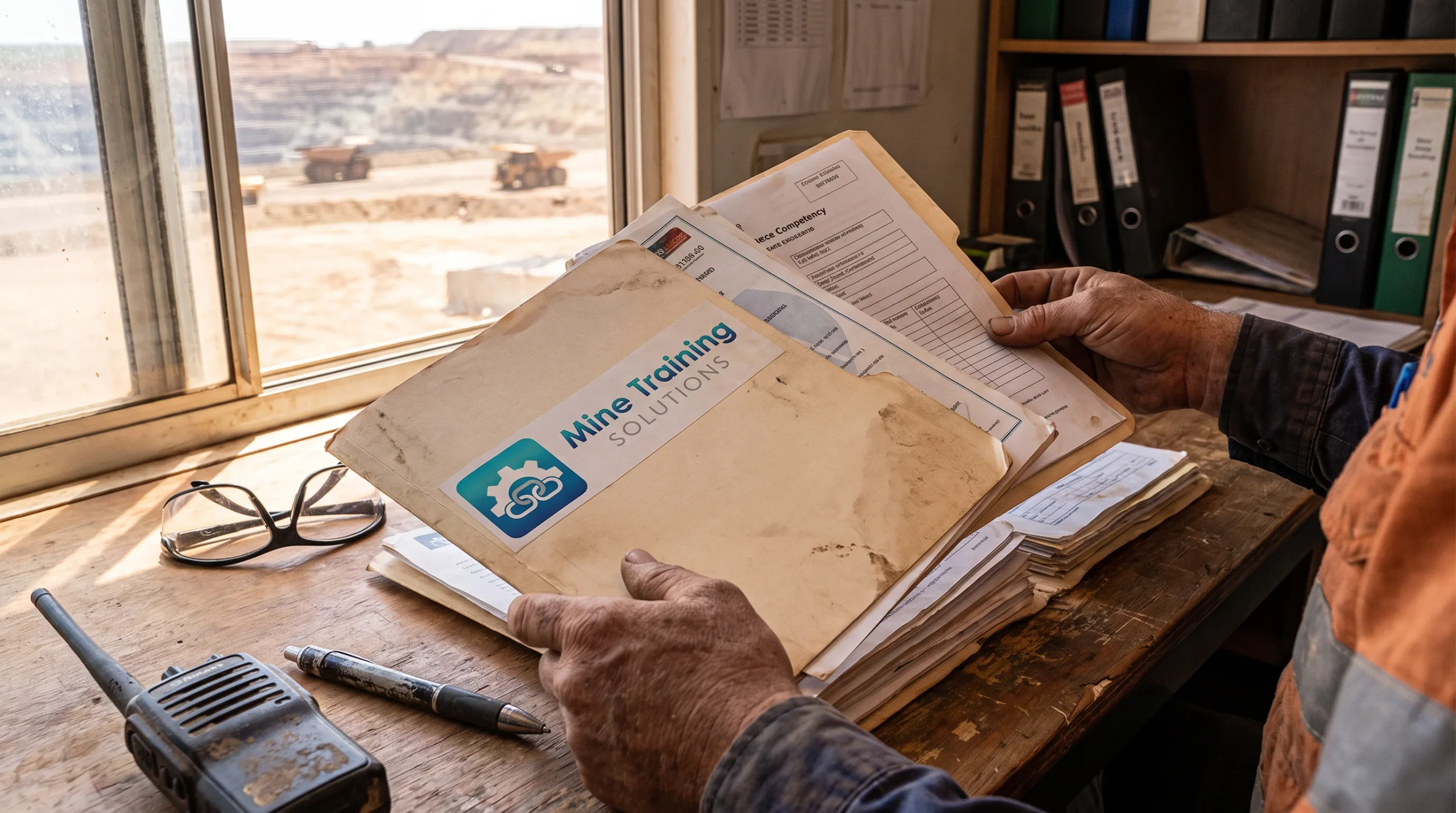
In the full training pathway, you work through learning materials and assessments to build competency from the ground up. With the RPL pathway, assessment starts with what you already bring to the table: your work history, workplace documentation, supervisor reports, and demonstrated skills. Both pathways are assessed against the same competency requirements and lead to the same qualification.
Why it Matters in Mining
The Australian Skills Quality Authority (ASQA) recognises RPL as a core entitlement for VET learners. In the mining industry, where workers routinely develop advanced operational and supervisory skills over many years, RPL provides a legitimate pathway to formalise that experience as a nationally accredited qualification — without necessarily repeating training you've already mastered in practice.
02
Who is RPL Suited to in Mining?
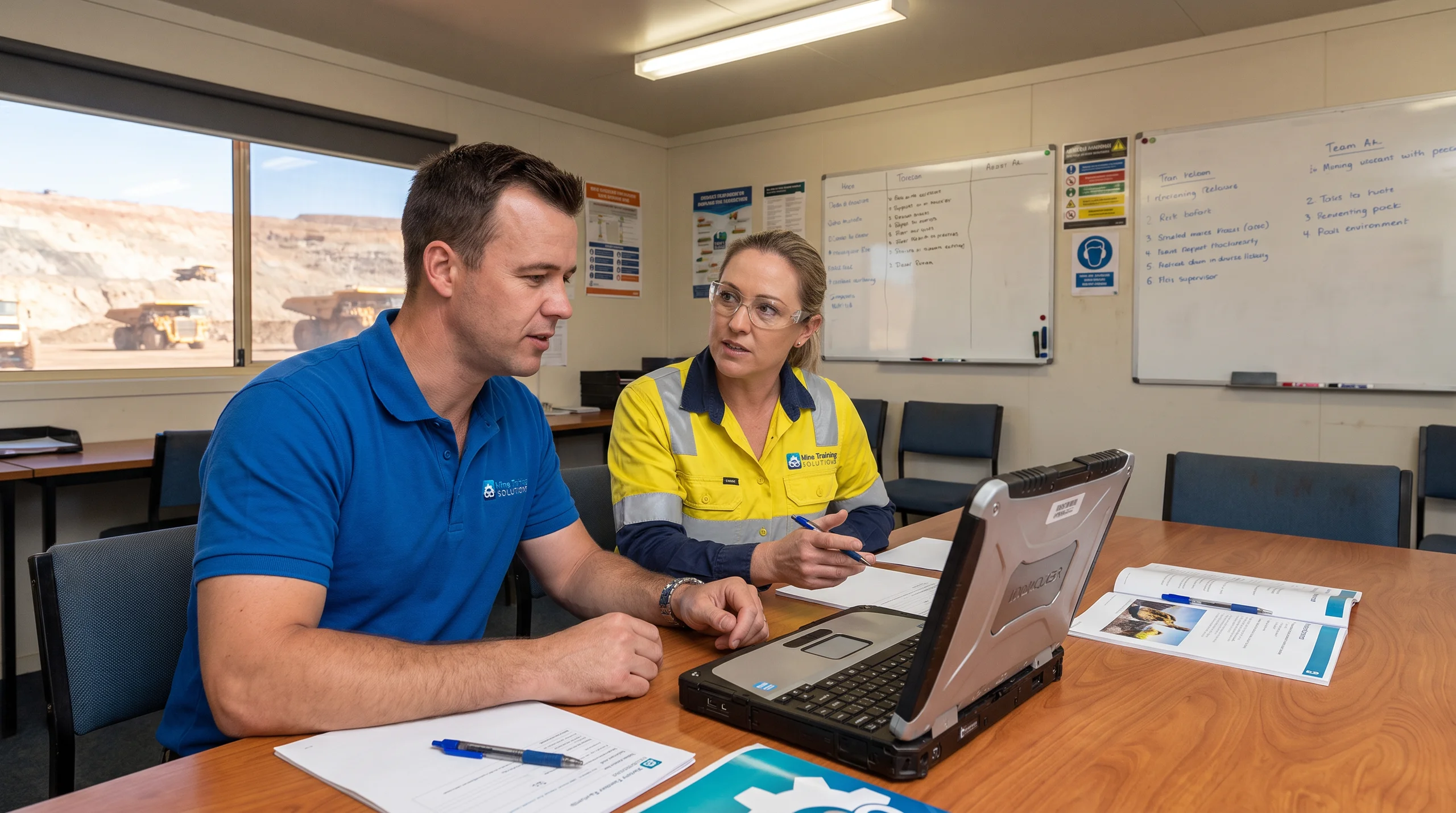
Not every mining worker is a good fit for RPL. It works best for people who already carry out the tasks covered by a standalone unit of competency or a full qualification, in their current or a recent role, but don't yet hold the statement of attainment or formal qualification.
Typical Candidates
- Experienced surface operations workers who have been performing supervisory or planning functions for several years
- Mining supervisors working in open-cut operations who oversee safety, compliance, and production systems
- Quarry operators at mineral mines and quarries who manage equipment interactions, hazard identification, and operational reporting
- Workers pursuing statutory competencies in QLD or NSW who need a nationally accredited qualification to support their appointment
What Makes a Strong RPL Applicant?
A strong candidate can produce workplace evidence — such as records from a Safety and Health Management System (SHMS), third-party supervisor reports, or documentation of operational decisions — that maps directly to the units of competency being assessed. The more directly your daily work reflects the unit outcomes, the stronger your RPL case. Eligibility is always assessed unit by unit by the RTO; no outcome is guaranteed in advance.
03
How the RPL Process Works at Mine Training Solutions
Mine Training Solutions (RTO 46163) uses a six-step RPL assessment process, delivered through the RPL Kit in aXcelerate. Each application is assessed against the requirements of the relevant unit of competency, so every candidate is assessed consistently and fairly.
Step 1: Initial Contact
We discuss your experience, qualifications, training and current job role to work out whether RPL is the right pathway for you. If RPL is unlikely to provide enough evidence of competency, we may recommend a different assessment pathway.
Step 2: RPL Application
You complete an application specific to the unit of competency you're applying for. Your answers cover your qualifications, training, work history and experience, and help the assessor judge whether enough evidence is likely to be available.
Step 3: Knowledge Questions
You answer written questions that show you have the underpinning knowledge the unit requires. Your responses should include examples from your own experience and explain how they directly relate to the subject matter of the unit.
Step 4: Evidence Portfolio
You submit evidence that you've consistently applied the required skills and knowledge at work. This can include workplace documents and records, policies, procedures and plans, risk assessments and reports, training records, and statements of attainment.
Step 5: Third-Party Report
An independent person who has seen your work first-hand, such as your supervisor, Open Cut Examiner (OCE) or Site Senior Executive (SSE), completes a report verifying your skills, knowledge and experience.
Step 6: Assessment Outcome
Your assessor reviews everything you've submitted and decides whether it shows you are competent. If more evidence is needed, you may be asked to take part in a competency conversation, a structured discussion that lets the assessor clarify your evidence and confirm your knowledge against the unit.
RII40226 Certificate IV Surface Coal Mining (Open Cut Examiner).
04
Qualifications Where RPL May Apply
RPL can potentially be applied to any nationally accredited qualification where you can demonstrate existing competency. Two qualifications offered by Mine Training Solutions are particularly relevant for experienced mining workers.
RII50120 Diploma of Surface Operations Management
The RII50120 Diploma of Surface Operations Management reflects the role of individuals such as superintendents or managers working in open-cut coal or metalliferous mines and quarries. The qualification requires 13 units in total — three core units and ten electives — and has nil formal entry requirements per the training package packaging rules. Licensing and regulatory requirements vary between states, territories and industry sectors, so confirm what applies with your state regulator before relying on this qualification for a statutory role.
RII40226 Certificate IV in Surface Coal Mining (Open Cut Examiner)
The RII40226 Certificate IV in Surface Coal Mining (Open Cut Examiner) is one of the requirements for people who want to apply for an Open Cut Examiner certificate of competency in Queensland or NSW. Completing the qualification does not make you an Open Cut Examiner. The certificates are issued separately by the Queensland Board of Examiners and the NSW Resources Regulator, and each has its own requirements, which include an examination. Check with the relevant regulator before you apply.
A Note on Eligibility
RPL is assessed unit by unit. Mine Training Solutions will build an individual training plan that recognises your experience where it counts and provides training where it's needed.
05
RPL and Statutory Functions in QLD and NSW
For workers in NSW and QLD, it's important to understand the relationship between RPL, qualifications, and statutory functions — because they are not the same thing.
Statutory Functions in NSW
In NSW, statutory functions are set out in Schedule 10 of the Work Health and Safety (Mines and Petroleum Sites) Regulation 2022 and cover key safety-critical roles across different classes of mines. To exercise a statutory function, a person must hold a current practising certificate.
QLD Regulatory Framework
Queensland has its own separate regulatory framework governing statutory functions and appointments in mining operations. Requirements differ from NSW and must be confirmed with the relevant QLD regulator before applying.
How RPL Fits In
RPL is an assessment carried out by a registered training organisation, and it may support the attainment of a qualification or unit of competency that forms part of the competency requirements for a statutory function.
A statutory appointment is a separate process, decided by the state regulator, with its own requirements.
06
Next Steps: Enquire about RPL with Mine Training Solutions
If you have years of hands-on experience in surface operations, open-cut coal mining, or mineral mines and quarries, RPL mining pathways may allow you to formalise that experience as a nationally accredited qualification more efficiently than traditional study.
How to Get Started
- Start with a conversation. Contact Mine Training Solutions (RTO 46163) to talk through your work history, current role and what you want to achieve. We'll tell you whether RPL is the right pathway for you or whether training would suit you better.
- Tell us your target. If you're aiming for the RII50120 Diploma of Surface Operations Management or the RII40226 Certificate IV in Surface Coal Mining (Open Cut Examiner), we'll identify which units you may be able to have recognised, and which may need training and build your individual training plan.
- If you're aiming for a statutory role, check the certification requirements with your regulator at the same time, because that is a separate process from RPL.
Useful Resources
-
Training.gov RII50120 Diploma of surface operations management https://training.gov.au/training/details/RII50120/qualdetails
-
Queensland mining competencies and certificates https://www.business.qld.gov.au/industries/mining-energy-water/resources/safety-health/mining/competencies-certificates
-
NSW Resource Regulator 'Statutory Functions' https://www.resources.nsw.gov.au/resources-regulator/safety/certification/statutory-functions
To take the first step, contact Mine Training Solutions directly to discuss your experience and begin identifying your RPL pathway.